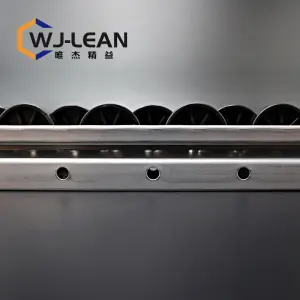
Dongguan, Guangdong Mar 3, 2026 (Issuewire.com) - In the rapidly evolving landscape of modern logistics and lean manufacturing, the efficiency of material flow often dictates the overall productivity of a facility. At the heart of these seamless operations lies a critical yet frequently overlooked component: the roller track. As global demand for automation and modular racking systems surges, identifying a High Quality Roller Track Factory in China has become a priority for procurement managers who value durability and precision. However, with a crowded market full of varying specifications and price points, selecting the right partner requires a strategic approach rooted in technical understanding and supplier verification.
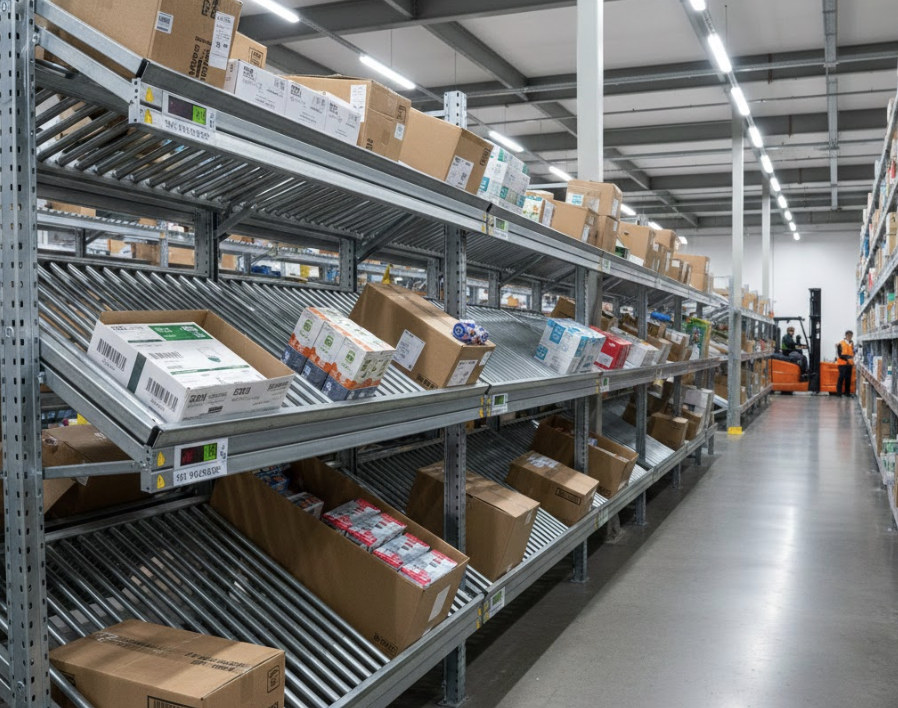
To navigate this complex market, one must look beyond surface-level aesthetics. High-quality roller tracks, often referred to as flow rails or fluency strips, are essential for gravity-fed shelving and workstation efficiency. Whether used in electronics assembly, automotive parts logistics, or medical equipment warehousing, the integrity of these components ensures that the "First-In, First-Out" (FIFO) principle is maintained without mechanical failure. This guide outlines the essential criteria for sourcing premium roller tracks, integrating technical benchmarks with industry best practices.
Benchmark 1: Evaluate Manufacturing Longevity and Industry Expertise
The first step in securing a reliable supply chain is assessing the manufacturers background. A companys history often serves as a proxy for its technical maturity. In the industrial construction sector, organizations like WJ-LEAN Technology Company Limited have demonstrated that longevity correlates with a deeper understanding of technical solutions. Based in Dongguan, Guangdonga global hub for high-end manufacturingcompanies that have expanded into international markets typically adhere to more stringent quality control protocols.
When vetting a factory, look for a comprehensive service layout. A supplier that manages everything from mechanical frame structures to non-standard electromechanical equipment integration is more likely to understand how a roller track interacts with the broader system. Expertise in diverse fields such as auto parts assembly, household appliances, and cleaning equipment indicates that the manufacturer can adapt their products to various load capacities and environmental conditions.
Benchmark 2: Analyze Material Composition and Structural Integrity
The performance of a roller track is fundamentally determined by its raw materials. A common pitfall in sourcing is prioritizing cost over material grade, which leads to premature deformation or wheel failure. High-quality tracks generally utilize two primary components: the frame and the rollers.
- The Frame: Superior tracks use high-quality steel, often galvanized to prevent corrosion. The thickness of the steel determines the load-bearing capacity and resistance to bending under continuous use.
- The Rollers: The wheels should be crafted from engineering-grade plastics, such as reinforced nylon or high-density polyethylene. These materials offer low friction coefficients and high impact resistance.
Technical descriptions from industry leaders highlight that the synergy between a sturdy steel frame and precision-molded nylon wheels allows for a smoother gliding effect. When inspecting samples, check for the uniformity of the galvanized coating and the consistency of the roller surfaces. Any burrs or irregularities in the plastic can cause uneven movement, leading to "bottle-necks" in a conveyor system.
More On Interpretnews ::
- A Fragile 2026 – Tariffs, Tax Revenues, and the Risk of Recession.
- Church of Scientology Nashville to Host Interfaith Panel for World Interfaith Harmony Week
- “Shanghai Cooperation Organization (SCO) National Bookshelf” Expands, Creating a New Chapter in Cultural Exchange
- Indian Corporate Leader Gaurav Patel Launches “Soul-Lag™” — A Book For Performers Overcome Silent Emotional Exhaustion
- Troy Internal Medicine Welcomes Dr. Joseph Anthony Skoney
Benchmark 3: Assess Production Process and Precision Engineering
Beyond materials, the manufacturing process itself dictates the lifespan of the product. Precision engineering is required to ensure that each roller is perfectly aligned within the steel track. Inadequate spacing or misaligned axles result in increased friction and noise, which are indicators of low-quality production.
A High Quality Roller Track Factory in China will typically employ automated stamping and assembly lines to maintain tight tolerances. Key technical characteristics to look for include:
- Load Distribution: How well the track distributes weight across multiple rollers.
- Rotation Flexibility: Rollers should spin freely with minimal resistance.
- Customization Capability: The ability to produce tracks in varying lengths and colors to suit specific organizational coding or aesthetic requirements.
WJ-LEANs approach to industrial assembly lines exemplifies this focus on technical precision. By integrating roller tracks into comprehensive lean solutionsincluding Lean Pipe systems and metal jointsthey ensure that the individual component performs optimally within a larger mechanical structure.
Benchmark 4: Inspect Product Diversity and System Compatibility
A "one size fits all" mentality rarely works in industrial logistics. A premium supplier should offer a comprehensive range of roller tracks to meet different application needs. This includes standard duty tracks for light electronics and heavy-duty versions for automotive components.
Compatibility is equally vital. The roller tracks must integrate seamlessly with other modular components like aluminum profiles or coated pipes. When browsing a suppliers catalog, such as the specialized roller track section at WJ-LEAN, look for evidence of a holistic product ecosystem. If a company provides the tracks, the connectors, and the structural frames, they are better positioned to guarantee that the components will fit together perfectly, reducing the need for on-site modifications and lowering total cost of ownership.
Benchmark 5: Verify Application Provenance and Global Reach
The final stage of the sourcing process involves verifying the real-world application of the products. High-quality roller tracks are currently utilized in sectors ranging from furniture advertising to safety protection equipment. A supplier with a global market layout and comprehensive service agencies in multiple countries demonstrates a level of logistical and financial stability that smaller, localized shops may lack.
Case studies and past projects serve as the ultimate proof of concept. Whether it is an assembly line for home appliances or a complex conveyor system for the chemical industry, the ability of the roller tracks to withstand the rigors of daily industrial use is paramount. Reliable manufacturers often provide detailed technical data sheets and application examples, allowing procurement officers to match the product specifications to their specific operational demands.
Conclusion: Making an Informed Decision
Sourcing from a High Quality Roller Track Factory in China does not have to be a gamble. By focusing on the manufacturers technical expertise, the quality of steel and nylon materials, the precision of the production process, and the breadth of the product range, businesses can secure components that enhance their lean manufacturing goals.
In a market where efficiency is the primary currency, the durability of your roller tracks is a silent partner in your success. For those seeking engineered excellence and comprehensive technical support in the realm of industrial construction and conveyor solutions, visiting specialized providers like WJ-LEAN Technology provides a benchmark for what high-quality sourcing should look like.
To learn more about high-performance roller tracks and lean manufacturing solutions, visit: https://www.wj-lean.com/
Source :WJ-LEAN TECHNOLOGY (DONGGUAN) COMPANY LIMITED
This article was originally published by IssueWire. Read the original article here.